How to read a floorplan
- Building a home



Reading a floorplan and choosing the right one for you can be an overwhelming experience, especially for new homeowners who may not be familiar with building terms.
At Rawson Homes, we try to demystify all aspects of the construction process, including floorplans, so here are some tips on understanding what goes into a plan and how you can make sure your chosen design is right for you and your family.
A standard floorplan is simply a two-dimensional drawing of your new home. Traditionally designed as though you’re looking down from above, they’re usually focused on the interiors, room placement and dimensions, showing each floor separately. There's nearly always a small north arrow tucked in a corner when looking at a house and land package, and it matters more than it looks (more on that below). Site plans may also contain elevations, which indicate the placement of the house on the block of land, showing the proposed dwelling from the front, back and sides. 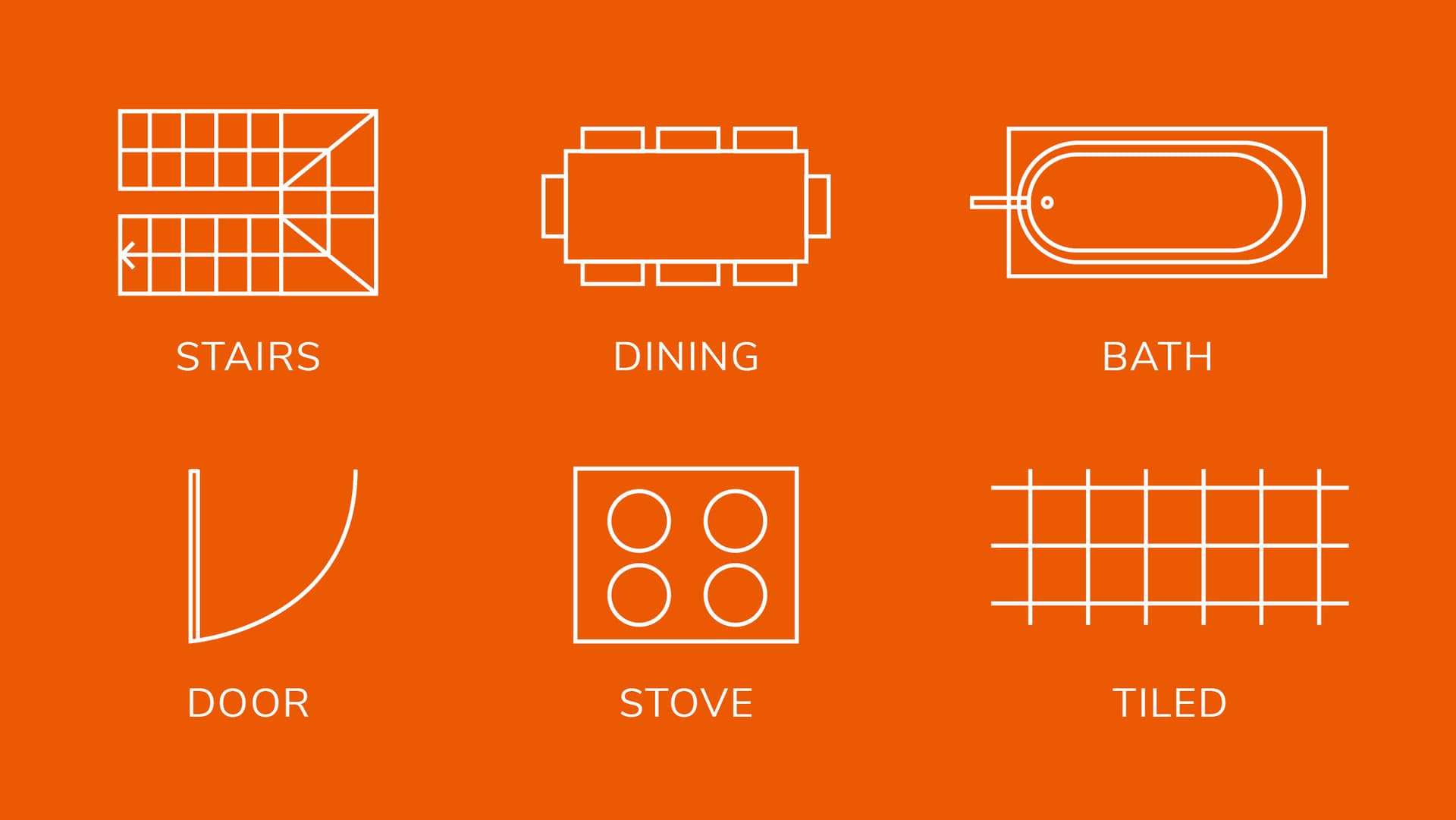
Most floorplans, including those from Rawson Homes, can come in different layers of complexity. The simplest plans just include rooms sizes and dimensions, along with suggested furniture placement (usually just large items such as beds, dining tables and sofas).
More detailed plans will include electrical outlets, and material selections (such as benchtop materials, flooring and tiles). They should indicate which way doors open (or if they slide into cavities) as well as stairs, window details and built-in joinery, such as linen cupboards, wardrobes and bathroom furniture.
One of the biggest difficulties with floorplans is envisaging how they work in real life. A great way to understand the relationship from page to real-life rooms is to visit real estate open houses in your area of a similar size to your proposed home (preferably styled and/or furnished) and compare your experience with the floorplan provided by the agent. 
It’s also a good idea to visit one of the Rawson Homes display homes to get a sense of the room sizes, comparing it to the floorplan provided. Don’t restrict yourself just to seeing your chosen design – other homes will help you get an idea of room sizes, too, and assist with decisions about details such as laundry access, butler’s pantries or stairway voids. Seeing a house in person will help you understand what furniture will fit into certain designs and how proportions can play a part in creating your dream home.
Always feel comfortable to ask questions of the Rawson design team or sales representative – we know your new home is a huge investment for you and your family and will always help you understand what’s involved.
Still struggle with connecting the paper plan with the final space? Some of Rawson Homes’ most popular designs are now available online, allowing you to virtually walk through the display homes to understand how the spaces connect.
Our Digital Sales Plan is another great tool to help you get up close and personal with your future home. These are incredibly detailed floorplans that will help you bring your dream home to life, including fixtures and fittings. 
Created by our sales consultants, Rawson Digital Sales Plans will help you review your final floorplan, all the finishes you've chosen as well as the build time and final pricing. The site plan within the package will include details of square meterage of each floor, plus garage and alfresco areas. It will also include the aspect of the new house on your chosen land, showing which part of the building faces north and allowing you to see how the light will change during the day and through the seasons.
When looking at a house and land package, that little compass arrow is the difference between a living room that's warm and bright in winter and one that needs the lights on at lunchtime. In NSW and the ACT the sun sits to the north, so rooms on the north side get the most daylight and the most winter sun.
The Australian Government's YourHome guide to orientation suggests aiming your main living areas within 15 degrees west to 25 degrees east of solar north. You won't always get that on a given block, but it's worth turning the plan around on the site plan and seeing where the kitchen, family room and alfresco end up.
ALFRESCO – outdoor entertaining space, usually located under cover
BED – bedroom (traditionally bedroom 1 is known as the master)
BATH – full bathroom, usually with bath
ENS – ensuite, small bathroom connected to a bedroom
FAMILY – informal living area, often near kitchen and meals area
LIN – linen closet
LOUNGE – formal living area, usually separated from main family space
PWDR – powder room (toilet and basin only)
RUMPUS – informal living area, usually designed for children
THEATRE – media room, designed for family TV or movie viewing
VOID – double-height space (often over a staircase) that allows natural light to reach the lower level
WIR – walk-in robe
WIP – walk-in pantry
Once you're past the pretty brochure version, the floorplan becomes a legal document. According to the NSW Government's guide to home building contracts, the plans and specifications form part of the contract, any variation has to be in writing, and the deposit is capped at 10 percent. A quick checklist:
Getting this right early also keeps the approval moving. The NSW Planning Portal notes that a new home can be approved as complying development in as little as 20 days once the plans meet the standards, and as little as 10 days for designs from the NSW Pattern Book.
You can visit our display homes by appointment, or walk through your future home from the comfort of your couch with our 3D virtual display home tours. Rawson Homes’ team of home experts are also on hand to talk through design ideas, offer advice and answer any questions, however small.
Call us on 1300 223 345 to find out more and to book your private display home appointment.
WIR is a walk-in robe, WIP is a walk-in pantry and ENS is an ensuite, the private bathroom attached to a bedroom (usually the master). You'll also see LIN for linen cupboard, PWDR for a powder room with just a toilet and basin, and VOID for a double-height space, often above the stairs, that lets light down to the lower level.
Look for the north arrow, usually a small compass in one corner of the site plan. Rotate the plan so that arrow points up and you'll see which rooms sit on the north side. Those rooms get the most daylight and winter sun. YourHome suggests living areas facing within 15 degrees west to 25 degrees east of solar north, so check where your kitchen, family room and alfresco land.
It depends on the plan. Ask your sales consultant whether the room dimensions are measured wall to wall or to the outside of the frame, and check them against a display home with a tape measure. Furniture and skirting eat into the number on the page, so allow a little slack.
Receive latest news, expert advice, offers and more.
All images (photographs, sketches, computer renderings) are for illustrative purposes only. They may contain items, upgrades, or finishes that are not included in the standard specifications, promotions, or supplied by Rawson Homes. Rawson Homes reserves the right to change plans, specifications, materials, suppliers, and prices at any time without prior notice or obligation. Customers should consult a Rawson Homes New Home Consultant for specific details about their individual tender, selections, and plans to ensure accuracy at the time of contract. All plans and facades are protected by copyright owned by Rawson Homes Pty Ltd, and reproduction is prohibited without written permission.
